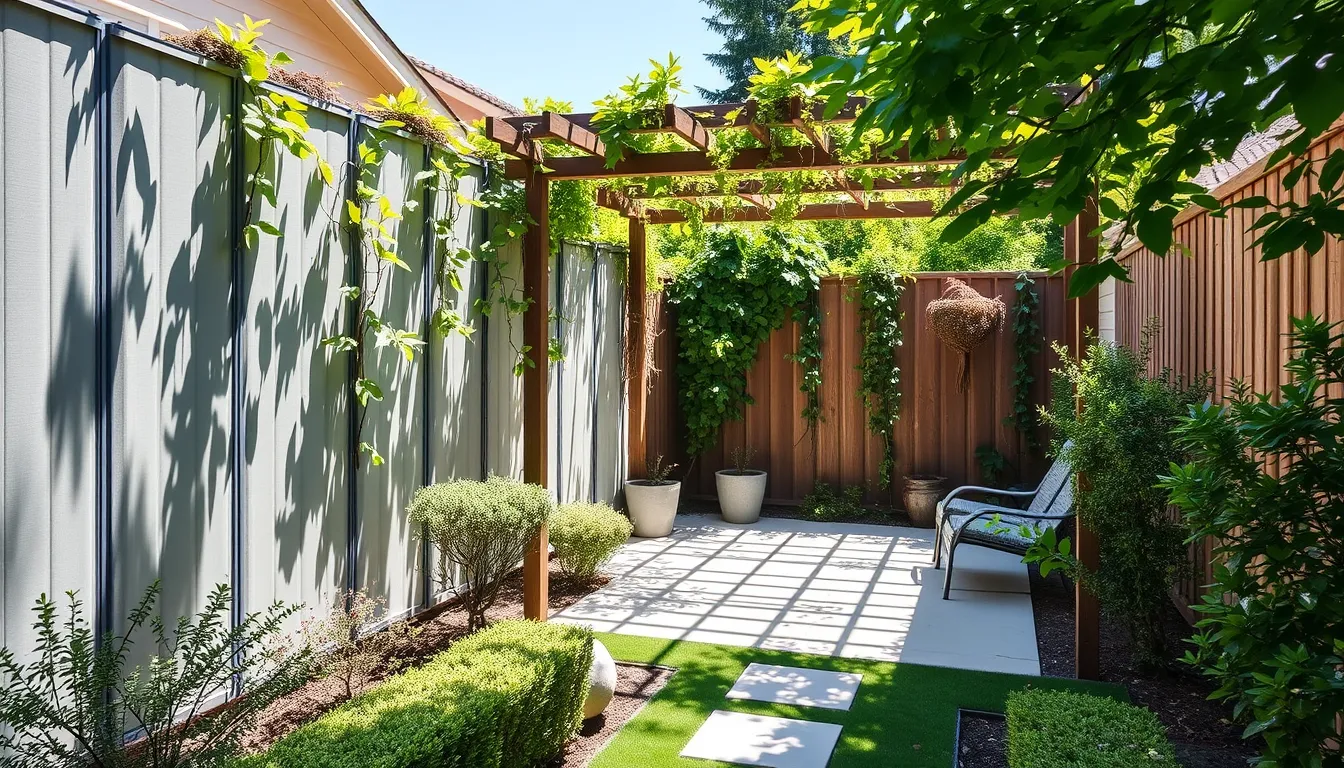
This guide is for homeowners, renters, or anyone with a tight back yard looking for privacy without sacrificing style or space. It shows how to combine vertical screens, plant layers, and soft landscaping to block sightlines while keeping airflow and low maintenance.
You’ll learn how to use modular panels, trellises, and strategically placed shrubs to create layered privacy that adapts to seasonal changes. The focus is on practical, space‑saving tactics that keep the yard bright and inviting.
By the end, you’ll have a clear plan to transform a cramped corner into a private, welcoming retreat that feels open, not enclosed.
Assessing Your Privacy Needs and Spatial Constraints
Before selecting screening methods, map the specific sightlines that invade your space. Stand in your primary seating area and note where views originate: from upstairs neighbor windows, the adjacent sidewalk, or a nearby deck. Each source requires a different response. A high window might need a tall, thin barrier, while a street view may only require eye-level obstruction.
Distinguish between blocking views and creating enclosure. Blocking sightlines stops visual intrusion, but enclosure adds psychological comfort through defined boundaries. In a small yard, you often need both, but they can be achieved with lighter structures than a solid wall.
Measure your available vertical and horizontal space carefully. A narrow gap between property lines might fit a modular fence but not a dense hedge. Check the height of existing structures to ensure new additions do not violate clearance requirements.
Finally, verify local HOA or municipal rules. Regulations often dictate maximum fence heights, permitted materials, and setbacks from property lines. Ignoring these constraints can lead to costly removals or fines. Understanding these limits first ensures your chosen solution is both effective and compliant, saving time and money during installation.
Utilizing Vertical Space with Screens and Panels
When horizontal footprint is limited, vertical space offers the most efficient solution for blocking sightlines. Freestanding screens and modular fencing allow you to define boundaries without consuming valuable lawn area. Unlike solid walls, lattice panels provide screening while permitting airflow, preventing the yard from feeling enclosed or stagnant. This balance is crucial in small urban lots where light and air circulation are already constrained.
Material selection significantly impacts both durability and visual weight. Wood offers a traditional aesthetic but requires regular sealing and staining to prevent rot. Metal screens, such as wrought iron or aluminum, provide a sleeker profile and resist weathering, though they may lack warmth. Composite materials combine the look of wood with resistance to moisture and pests, offering a maintenance-free option that retains its appearance over time. Choose based on your willingness to perform upkeep versus your desire for long-term consistency.
Secure anchoring is essential, especially if you live in an area with high winds. Use concrete footings for freestanding units to ensure stability. For modular systems, ensure each panel locks tightly to its neighbors to prevent sagging. Finally, match the screen’s style to your home’s architecture. A rustic wooden screen clashes with a modern brick facade, creating visual clutter. Aligning materials and lines with existing structures maintains a cohesive look, ensuring the privacy solution enhances rather than disrupts the property’s overall design.
Strategic Planting for Natural Barriers
Natural screening offers a softer alternative to rigid structures, but in tight quarters, plant selection dictates success. Prioritize fast-growing, dense evergreens that provide consistent sightline obstruction year-round. Deciduous varieties may offer seasonal beauty, but they fail to block views during winter, leaving your yard exposed when privacy is often most needed.
Apply the principle of layered privacy by arranging plants by height. Position taller shrubs or small trees along the rear boundary to act as the primary visual barrier. Place shorter, denser bushes in front of them to create depth and prevent gaps. This vertical layering maximizes coverage without requiring a single, massive plant that dominates the limited square footage.
However, balance is critical. Overly dense planting can trap humidity and block essential airflow, creating a stifling microclimate. It can also eliminate sunlight needed for the rest of the garden. Leave strategic gaps or choose varieties with open canopies to ensure light penetrates the space.
Finally, match plant choices to your specific soil and sun conditions. Thriving plants require less maintenance-free intervention. If a shrub struggles with your yard’s drainage or light exposure, it will demand excessive pruning or fail to reach its full potential, compromising the natural barrier you are building.
Incorporating Soft Landscaping and Decorative Elements
When permanent structures feel too heavy for a compact lot, soft landscaping offers flexible screening. Tall, slender planters housing bamboo, ferns, or ornamental grasses create movable privacy screens. Unlike fixed fences, these modular units can be repositioned to block specific sightlines from neighboring properties or passersby without permanently altering the yard’s layout. This adaptability is crucial in small spaces where usability changes with seasons or activities.
Vertical gardens add visual interest by utilizing wall space. Mounted planter systems or stacked pots introduce texture and color, breaking up solid surfaces while providing partial privacy. They soften harsh architectural lines and prevent the area from feeling boxy. Similarly, outdoor curtains or shades attached to patio eaves offer instant, adjustable screening. Drawn during busy hours, they block direct views; opened during quiet times, they allow airflow and light.
These elements excel where a solid wall would be oppressive. They provide a semi-permeable barrier that feels organic rather than restrictive. By combining varied heights and materials, you create depth. This approach balances aesthetic appeal with functional privacy, ensuring the space remains inviting. Focus on lightweight, durable materials that withstand weather without requiring constant repainting or structural repairs. The goal is a dynamic environment that responds to your needs while maintaining an open, airy feel.
Combining Methods for a Layered Privacy System
A single barrier often fails in tight quarters because it leaves sightlines exposed at ground level or overhead. Layered privacy solves this by stacking distinct elements to block views from multiple angles. Consider pairing a low, waist-high fence with tall, narrow evergreens behind it. The fence stops casual eye contact from the street, while the plants obscure the upper view from neighbors’ windows. Alternatively, install a modular lattice screen on one wall and train climbing vines across it. This creates a solid visual block that also allows airflow, preventing the stagnant feel of a solid wall.
The psychological impact of these layers matters as much as the physical block. Even with small gaps, the brain perceives a dense, multi-textured background as private. This depth trick makes a small yard feel enclosed without being claustrophobic. To avoid a cage-like atmosphere, ensure at least one side remains open or semi-transparent. Use vertical space wisely by keeping the top third of your screening lighter, such as with sparse foliage or open-weave panels, to maintain a connection to the sky. This balance ensures the space feels secure yet breathable, offering seclusion without sacrificing light or air circulation.
Maintenance and Long-Term Considerations
Effective layered privacy requires ongoing care to prevent visual clutter. Treat each element as a modular component that can be individually serviced or replaced without dismantling the entire system. This approach keeps your small backyard functional and aesthetically consistent over time.
For vertical screening, regular cleaning is essential. Dust and pollen accumulate on mesh and wood panels, reducing transparency and inviting pests. Wipe down metal or plastic screens with a mild detergent solution during spring and autumn. Inspect mounting hardware annually for rust or loosening, especially in windy urban areas. If a panel becomes warped or structurally compromised, swap it out immediately to maintain the sightline barrier. Modular designs simplify this process, allowing for quick swaps without professional help.
Plant-based barriers demand seasonal attention. Deciduous shrubs provide dense summer privacy but lose their leaves in winter. To address this, consider adding temporary, removable screens during colder months. This hybrid strategy ensures year-round seclusion without relying solely on foliage. Prune plants twice a year to control spread and prevent roots from damaging nearby hardscaping. Always check material warranties to understand expected lifespans. Wood may rot or splinter, while vinyl can become brittle in extreme heat. Plan for gradual replacement rather than sudden, costly overhauls to keep your maintenance-free ambitions realistic.
Leave a Reply